
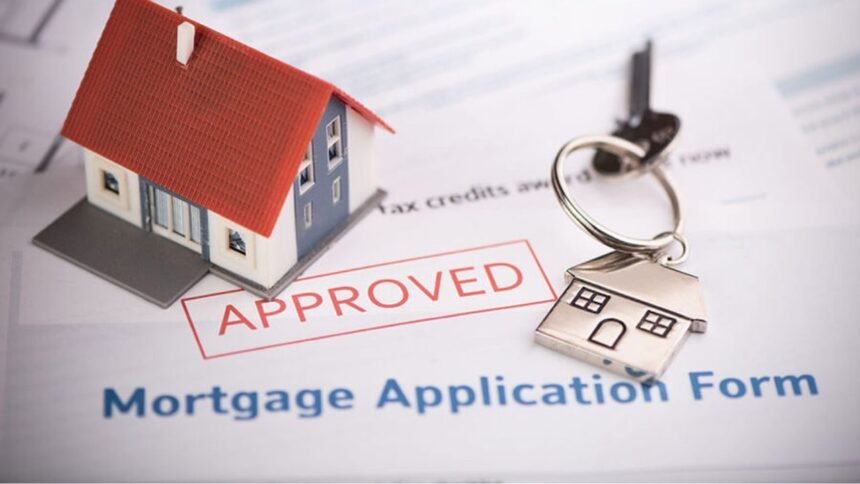
Mortgage pre-approval is one of the first and most important steps when buying a home in the United States. It helps you understand how much you can borrow and shows sellers that you are a serious buyer.
Before you start looking for a house, getting pre-approved gives you clarity about your budget and makes the entire buying process smoother.
What is Mortgage Pre-Approval?
Mortgage pre-approval is when a lender reviews your financial situation and tells you how much home loan you may qualify for.
They look at your income, credit score, employment history, savings, and existing debts.
It is not a final loan approval, but it gives a clear idea of your buying power.
Why Pre-Approval is Important
Pre-approval helps you in several ways:
- It shows your actual home buying budget
- It makes your offer stronger in front of sellers
- It saves time during the buying process
- It helps avoid looking at homes outside your range
In simple words, it makes home buying more realistic and organized.
Step-by-Step Pre-Approval Process
1. Application
You start by filling out a mortgage application with basic personal and financial details.
2. Credit Check
The lender checks your credit score and credit history to understand your financial behavior.
3. Financial Review
Your income, debts, and savings are reviewed to calculate affordability.
4. Document Submission
You submit required financial documents for verification.
5. Pre-Approval Letter
If everything is fine, you receive a letter showing how much you can borrow.
Documents You Will Need
To speed up the process, lenders usually ask for:
- Recent pay stubs or income proof
- Bank statements (last 2–3 months)
- Tax returns (last 1–2 years)
- Employment details
- Government-issued ID
- List of existing debts
Having these ready makes the process faster and smoother.
What Affects Your Pre-Approval?
Your approval depends on a few key factors:
- Credit score
- Income stability
- Debt-to-income ratio
- Employment history
- Down payment amount
Lenders combine all these details to decide your loan eligibility.
Common Mistakes to Avoid
Many buyers face delays because of simple mistakes:
- Applying without checking credit score
- Taking new loans during the process
- Not organizing documents properly
- Only focusing on interest rate
- Borrowing more than you can afford
Avoiding these mistakes can make the process much easier.
Types of Home Loans
Fixed-Rate Mortgage
Your interest rate stays the same throughout the loan period. Payments remain stable.
Adjustable-Rate Mortgage
The interest rate can change over time depending on market conditions.
FHA Loans
Designed for buyers with lower credit scores or smaller down payments.
Conventional Loans
Standard loans offered by private lenders with flexible options.
Getting the Right Guidance
Mortgage decisions can feel confusing, especially for first-time buyers. Many people prefer guidance to understand their options clearly.
Some buyers follow resources like Duane Buziak Mortgage Maestro, which is known for explaining mortgage topics in a simple and practical way that helps people understand the process better.
FAQs
1. How long does mortgage pre-approval take?
It usually takes a few hours to a few days depending on how quickly documents are submitted.
2. Does pre-approval affect credit score?
Yes, it may involve a hard credit check which can slightly affect your score temporarily.
3. How long is pre-approval valid?
Most pre-approvals are valid for 60 to 90 days.
4. Can I get pre-approved with low credit?
Yes, but loan options and rates may be limited.
5. What is the difference between pre-qualification and pre-approval?
Pre-qualification is an estimate, while pre-approval is a verified financial review.
Conclusion
Mortgage pre-approval is an essential step in the home buying process. It gives you clarity about your budget, improves your chances with sellers, and makes the overall process smoother.
If you understand the steps, prepare your documents, and avoid common mistakes, the process becomes much easier to handle.